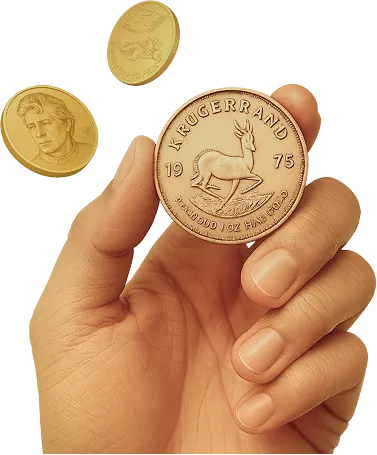
Why You Should Consider Buying Silver
For the past 5,000 years, silver has been recognized as one of the most valuable negotiable currencies among the great civilizations of the world, and that still holds true today. Ounce for ounce, silver is the least expensive of all the precious metals and is considered to be an asset which may help in providing financial protection against weak currencies, as well as inflation or deflation.
Why Purchase Silver in Addition to Gold?
If you already have a strong position with regard to your gold collection, you might wonder why it would be prudent to also own some silver. Silver has a unique position among precious metals in that it has appeal both as a collectible and as an industrial commodity. This gives it a distinctive appeal, because if one demand source should dip a little, there can be another in place which could maintain demand for silver.
Virtually all electronics require some amount of silver in their manufacture, because it possesses exceptional qualities of conductivity and is a good electrical pathway. Silver is often used on circuit boards, telephones, television sets, solar panels, batteries, medical instruments, CDs, microwave ovens, hearing aids, and DVDs.
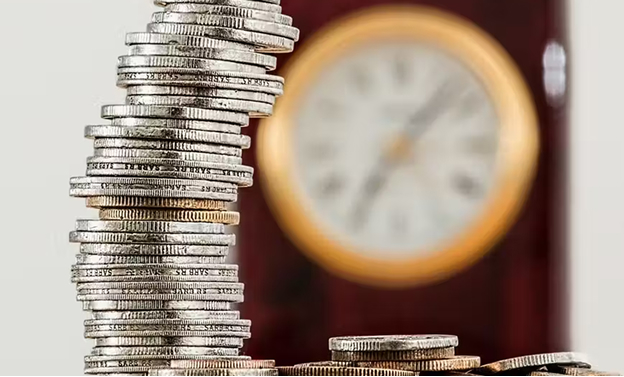
Apart from that, silver is available in coins, bars, bullion, and rounds, with coins being by far the most popular among silver enthusiasts. They’re easy to store, can be easily transported, and if need be, silver coins can be quickly converted into cash. Silver coins made by government mints are also considered to be negotiable currency and are legal tender internationally. It’s also probably the most affordable precious metal.
Historical Price of Silver
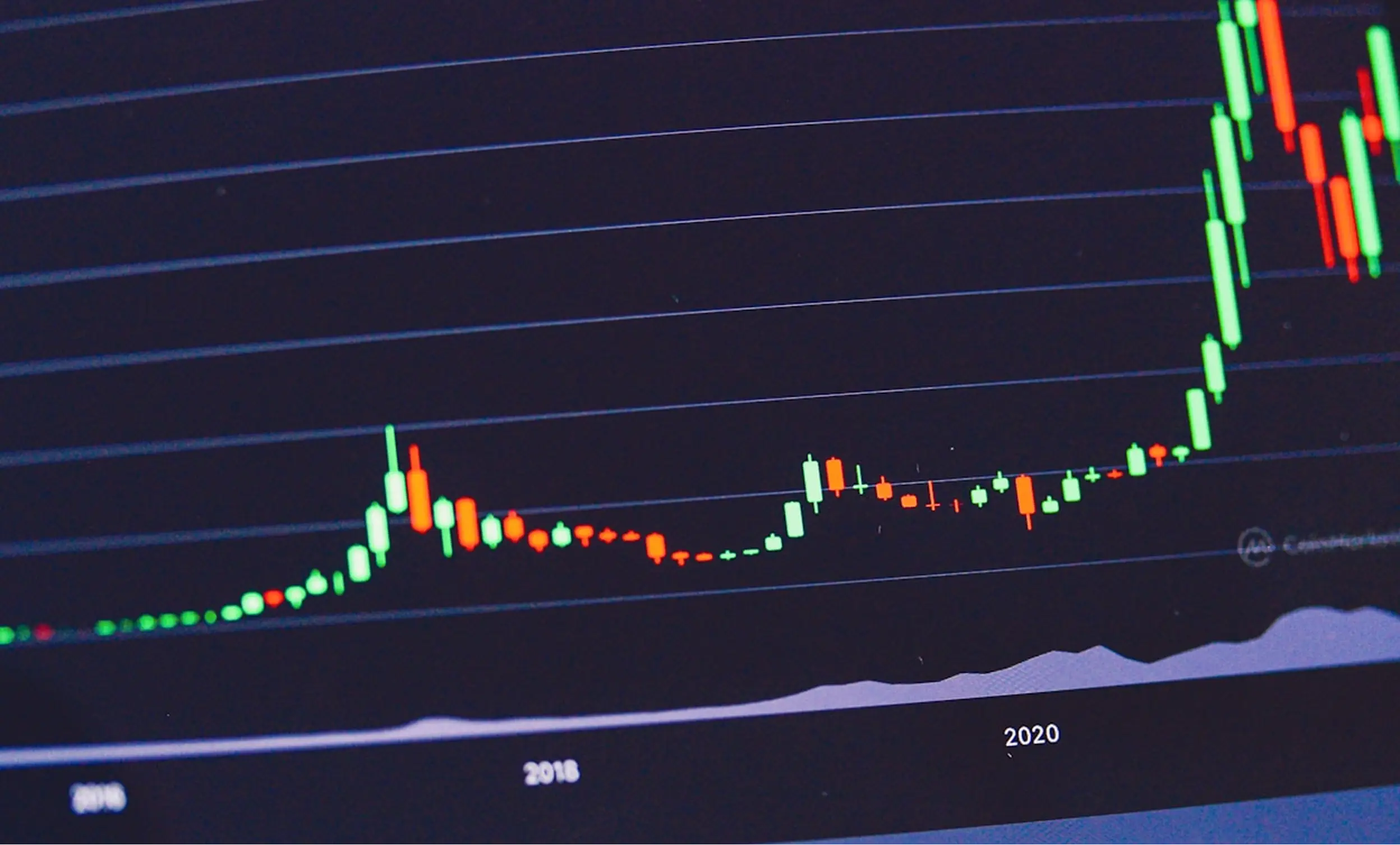
In recent history, the highest spot price for silver reached $35.12 in 2011, and like all precious metals, its pricing has fluctuated considerably over the last century. In the year 2000 for instance, the spot price of silver was at a relatively low $4.95 an ounce, but by 2008 the price had surged to $14.99 per ounce. Silver has declined from its 2011 apex above the $35 threshold, but has remained fairly steady in the neighborhood of $22-28 since then.
The spot price of silver fluctuates in accordance with supply and demand, as is true of all precious metals. One reason for the huge spike in silver prices between 2009 and 2011 was arguably that the world had just gone through a severe financial crisis, and many people wished to purchase silver as a hedge against potential loss.
Coincidentally, right around 2011 there was a huge surge in the industrial demand for silver, which helped to boost the spot price to unprecedented highs. Once the world economy stabilized and the surge in industrial demand for silver abated, the spot price for silver declined, and has remained around its present position for quite some time.
Ways to Buy Silver
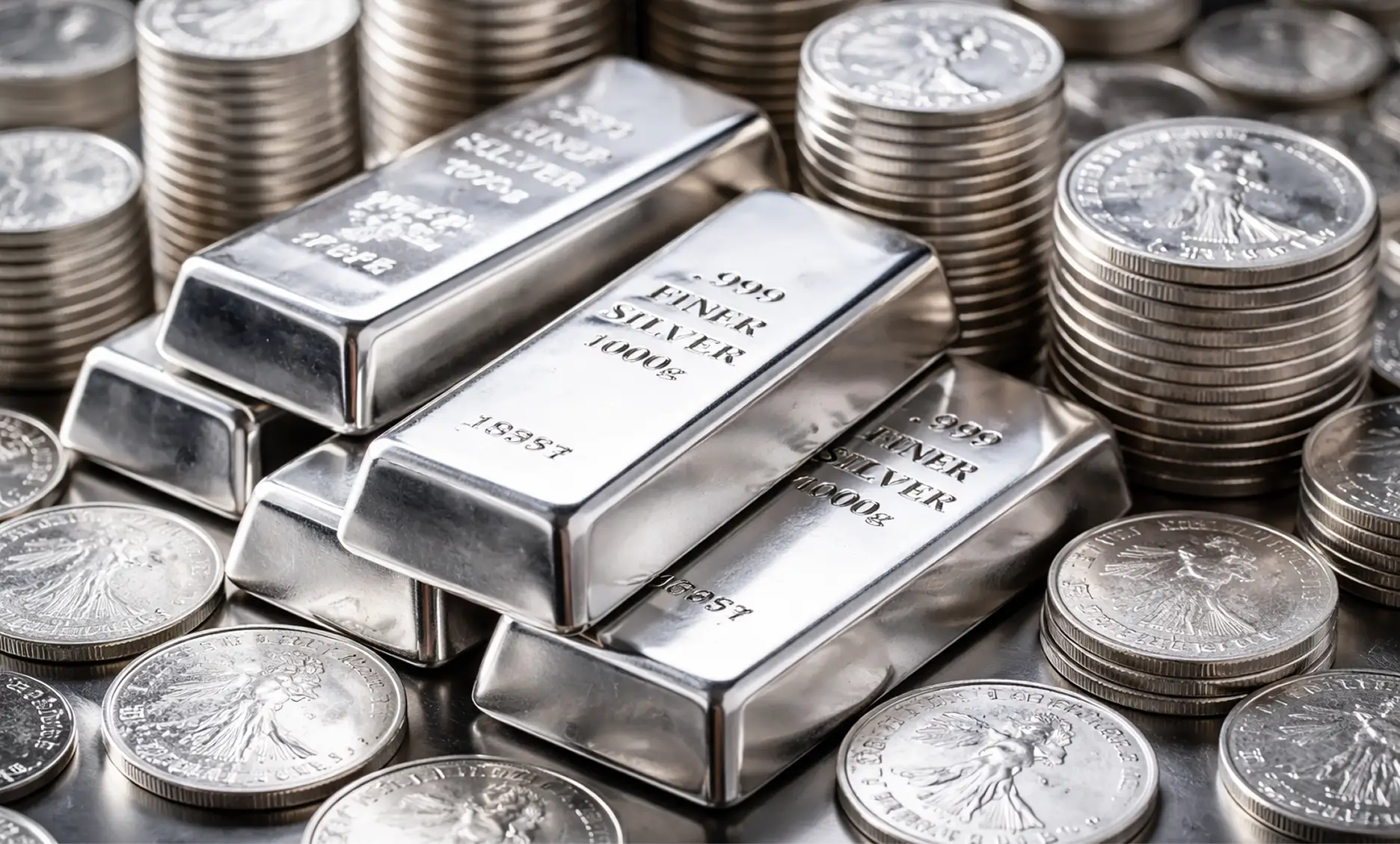
There are several ways to purchase silver, and the one you choose will depend on personal preference, as well as what your goals and objectives are.
One major decision you have to make when purchasing silver is whether to purchase physical silver or paper silver. Physical silver is of course the actual object which you can hold in your hands, e.g. a bar of silver, or some actual coins. Paper silver refers to a situation where you have documentation which recognizes your ownership of silver, but you don’t actually have possession of it.
Paper purchases of silver can be made through exchange traded funds (ETF’s) or through mining stocks. If you prefer to have personal control over the silver you purchase, you will be better off making a physical purchase of the precious metal, rather than a paper purchase.
How to Buy Silver Coins
There are several ways to purchase silver, and the one you choose will depend on personal preference, as well as what your goals and objectives are.
One major decision you have to make when purchasing silver is whether to purchase physical silver or paper silver. Physical silver is of course the actual object which you can hold in your hands, e.g. a bar of silver, or some actual coins. Paper silver refers to a situation where you have documentation which recognizes your ownership of silver, but you don’t actually have possession of it.
Paper purchases of silver can be made through exchange traded funds (ETF’s) or through mining stocks. If you prefer to have personal control over the silver you purchase, you will be better off making a physical purchase of the precious metal, rather than a paper purchase.